
The Ultimate Alaskan Cruise Packing Guide for Empty Nesters
Master the art of layering and discover exactly what you need to stay warm, dry, and comfortable while exploring the breathtaking landscapes of the Last Frontier.
Introduction: Why Proper Packing is Essential
Embarking on an Alaskan cruise is a dream come true for many empty nesters. The majestic glaciers, breaching whales, and rugged coastlines offer an unparalleled adventure. However, unlike a Caribbean getaway where a swimsuit and flip-flops might suffice, packing for Alaska requires a bit more strategy.

Proper packing is essential not just for your comfort, but for your safety and overall enjoyment. The weather in the Last Frontier is notoriously unpredictable, and being prepared means you can spend less time shivering on the deck and more time marveling at the breathtaking scenery. Let's dive into exactly what you need to bring to make the most of your Alaskan adventure.
Understanding Alaska's Weather
The key to Alaskan weather is understanding that it can change in an instant. During the peak summer cruising months (June through August), daytime temperatures typically range from a comfortable 50°F to 70°F (10°C to 21°C). However, if you're traveling in the shoulder seasons of May or September, expect brisker days and colder nights.

It's also crucial to factor in the wind chill. When your ship is cruising near glaciers or through the Inside Passage, the breeze off the ice can make it feel significantly colder on deck than the actual air temperature. You'll experience a stark contrast between the climate-controlled interior of the ship and the crisp, invigorating air outside.
Clothing Essentials: The Art of Layering
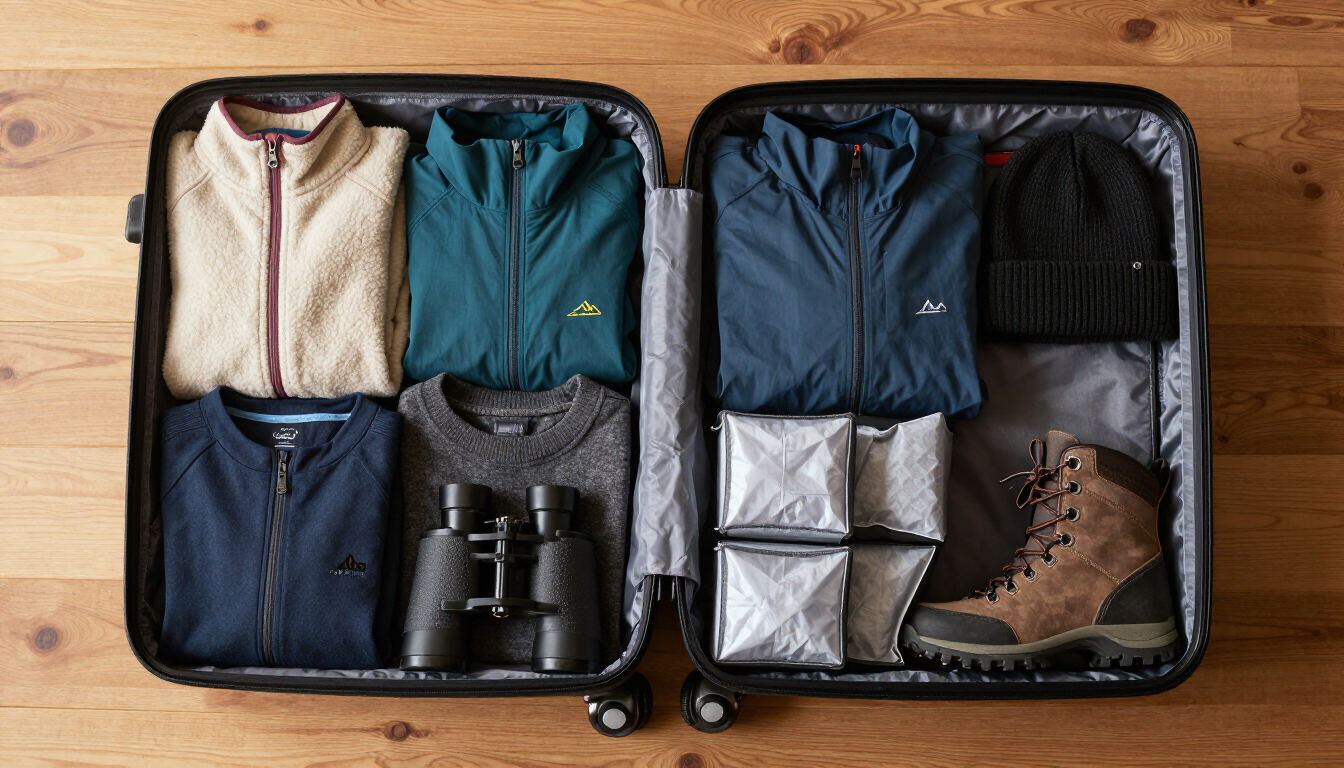
If there is one golden rule for packing for an Alaskan cruise, it is this: Layering is everything. Instead of bringing bulky, heavy items, pack multiple thinner layers that you can easily add or remove as the temperature fluctuates throughout the day.




- Base Layers: Start with moisture-wicking thermal underwear (tops and bottoms). Avoid cotton, as it retains moisture. Merino wool or synthetic blends are ideal.
- Mid Layers: This is your insulating layer. Pack a couple of warm fleece jackets, cozy sweaters, or a lightweight down vest.
- Outer Layers: A high-quality, waterproof, and windproof jacket will protect you from sudden rain showers and the biting wind off the glaciers.
- Everyday Wear: Bring comfortable long pants, a pair or two of jeans (great for dry days on the ship), casual long-sleeve shirts, and a few short-sleeve options for warmer afternoons.
Footwear: Happy Feet, Happy Traveler
Your choice of footwear can make or break your shore excursions. Alaska's terrain can be uneven, wet, and slippery, so leaving the delicate shoes at home is a smart move.
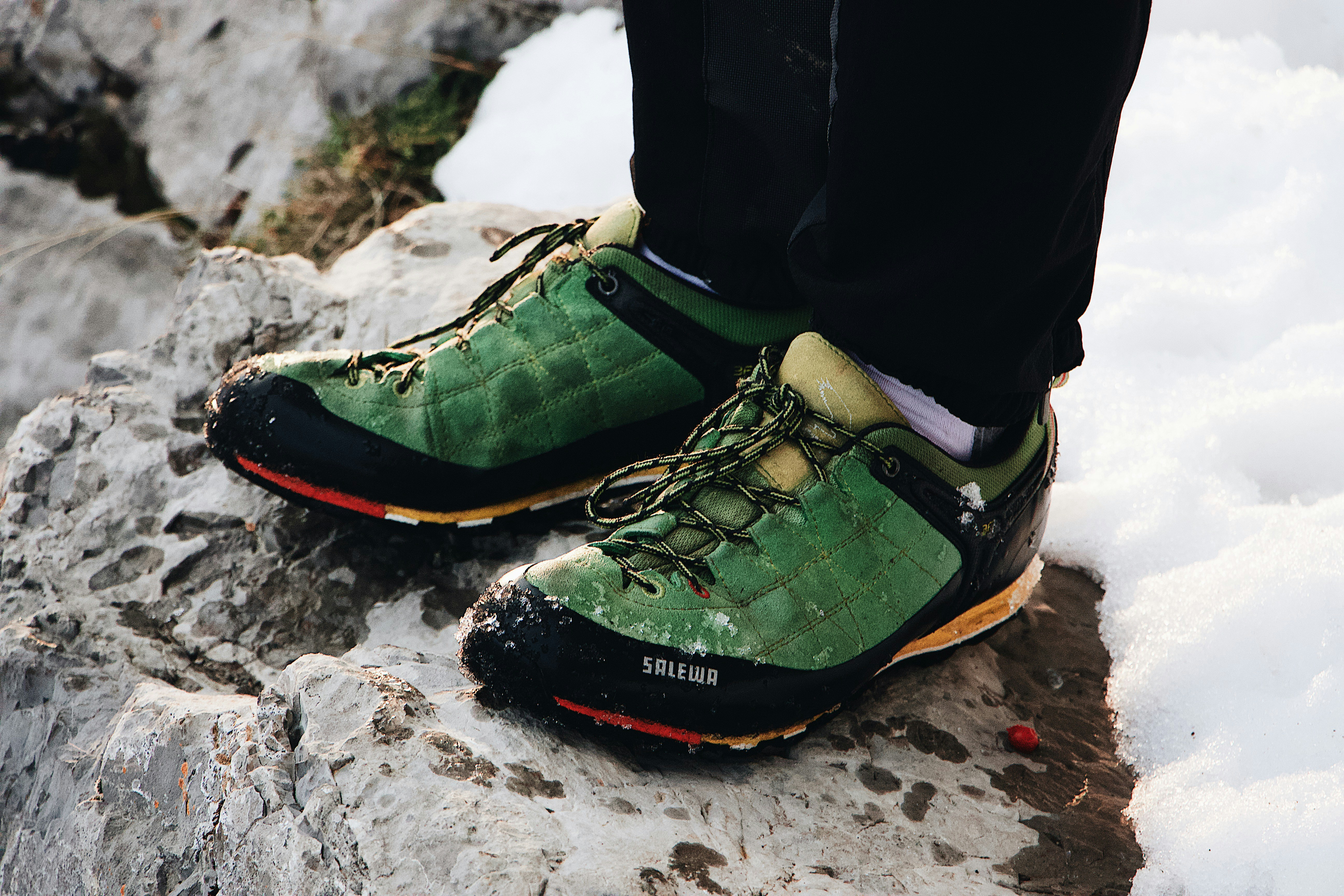
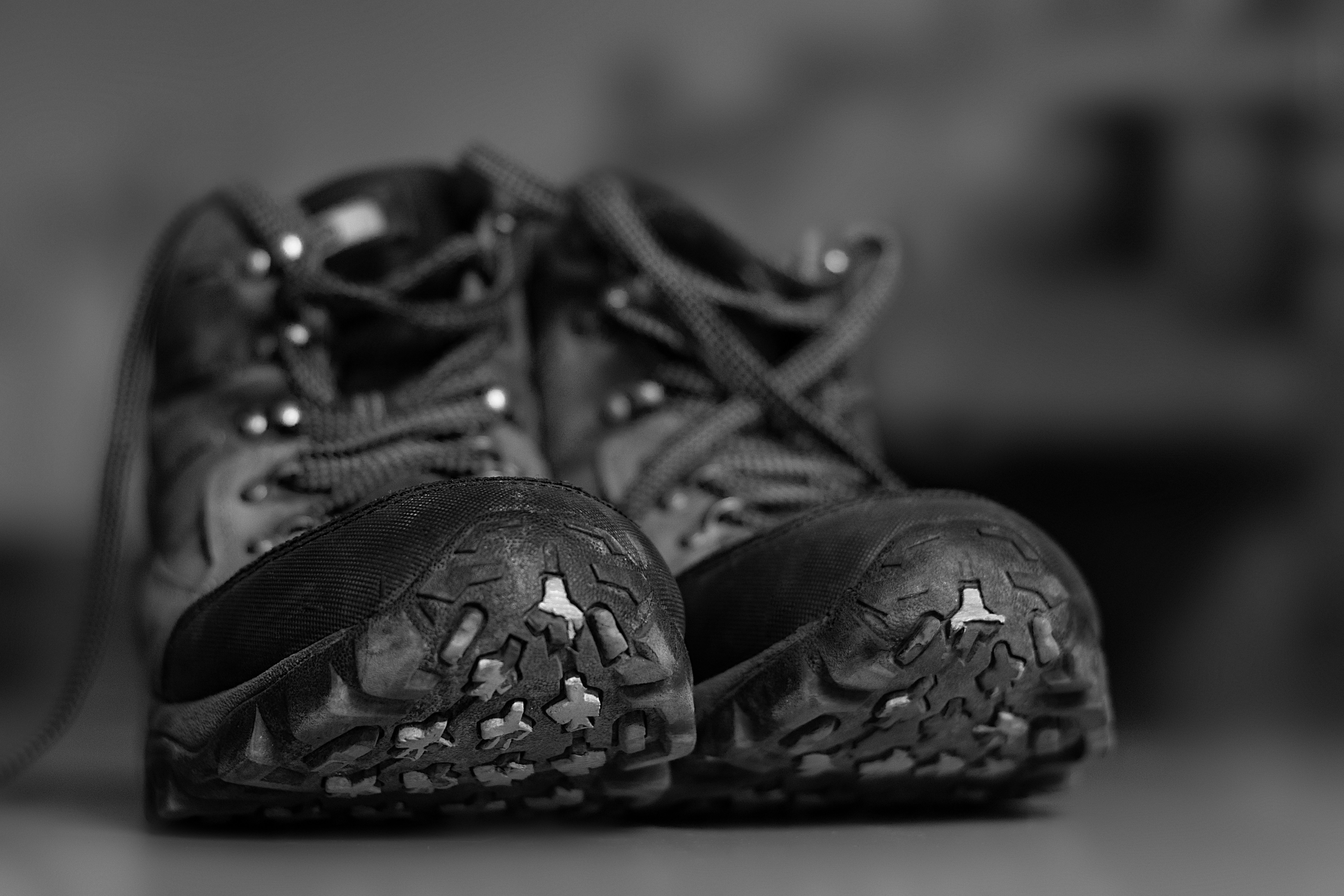
- Waterproof Hiking Boots: Essential for excursions like glacier walks, forest hikes, or exploring nature trails. Ensure they are broken in before your trip!
- Comfortable Walking Shoes: A solid pair of sneakers or supportive walking shoes is perfect for exploring the ship's massive decks and casual strolls through town.
- Socks: Invest in several pairs of high-quality merino wool socks to keep your feet warm and dry.
- Casual Slip-ons: Bring a pair of easy slip-on shoes or comfortable flats for walking from your cabin to the dining room or spa.
Accessories & Gear
The right accessories will elevate your Alaskan experience from good to unforgettable, especially when it comes to wildlife spotting and staying comfortable in the elements.

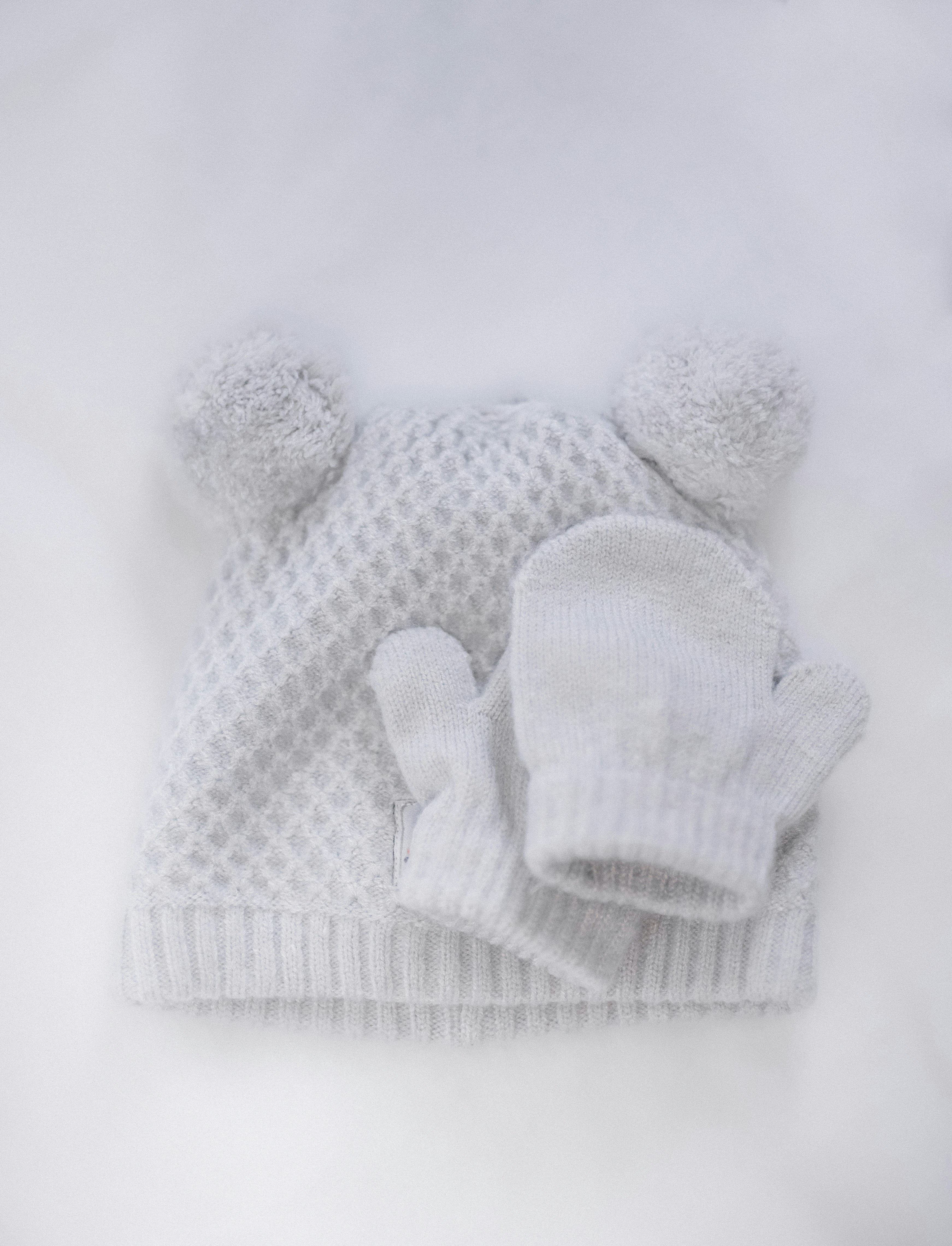
- Headwear: Pack a warm beanie or knit hat to cover your ears on glacier viewing days, plus a brimmed sun hat or baseball cap for sunny afternoons.
- Gloves: Water-resistant or touchscreen-friendly gloves are fantastic so you can snap photos without freezing your fingers.
- Sunglasses: The glare from the water and the ice can be incredibly intense. Polarized sunglasses with UV protection are a must.
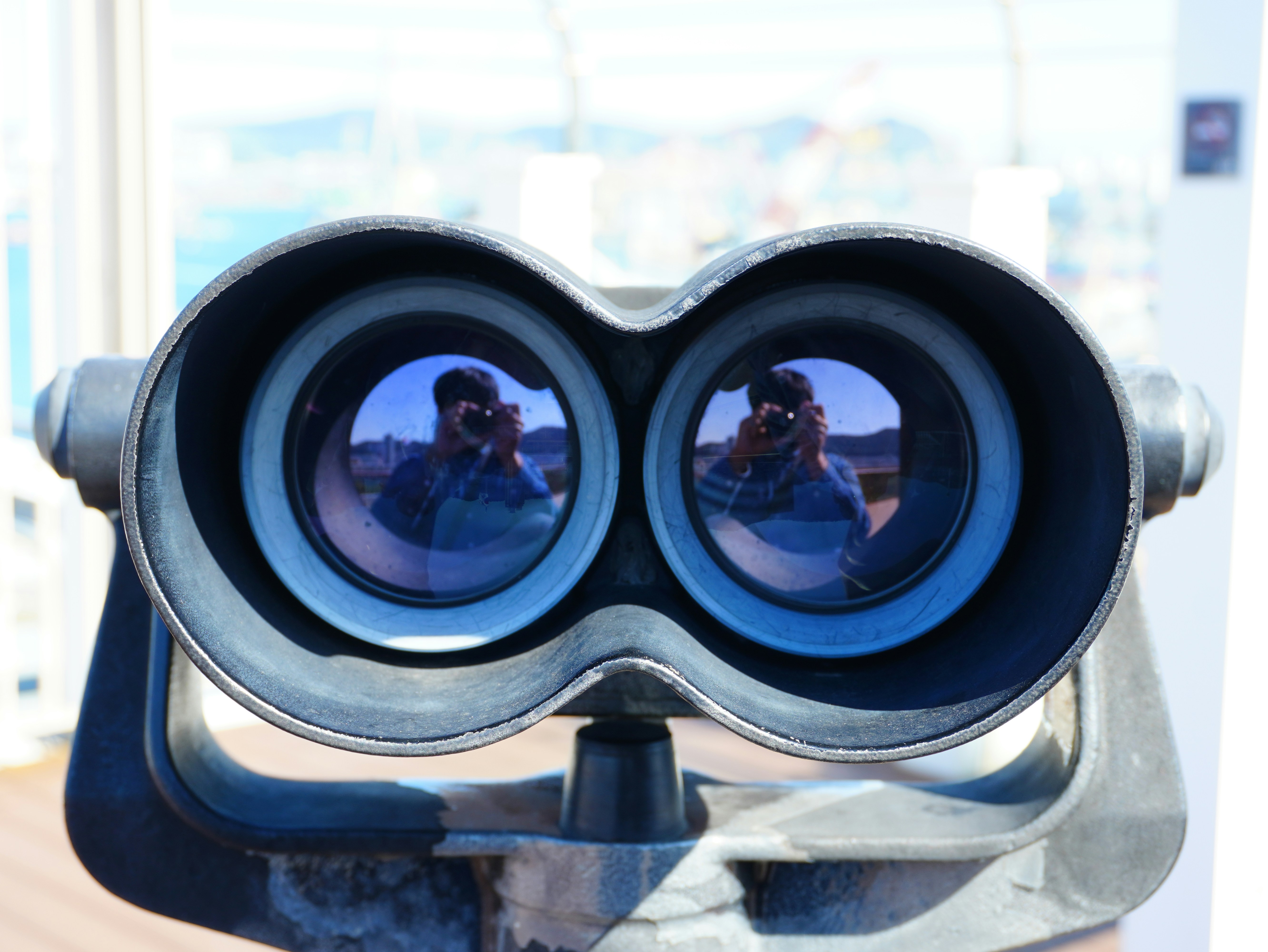
- Binoculars: Do not rely solely on your camera! A good pair of binoculars is essential for spotting eagles on the shoreline or whales breaching in the distance.
- Day Pack: A small, lightweight, water-resistant backpack is perfect for carrying your extra layers, water bottle, and camera gear during shore excursions.
Toiletries & Medications
While cruise ships have basic supplies, they are often heavily marked up. It's best to bring your own specialized toiletries and a well-stocked medical kit.
- Sun Protection: Yes, you need sunscreen in Alaska! The sun reflects strongly off the water and glaciers. Bring a high-SPF sunscreen and a lip balm with SPF.
- Seasickness Remedies: Even if you don't typically get motion sickness, the waters in the Gulf of Alaska can occasionally get rough. Pack ginger candies, acupressure wristbands, or over-the-counter medications like Dramamine or Bonine.
- Prescription Medications: Always pack these in your carry-on bag, never in checked luggage, and keep them in their original labeled containers.
- Basic First-Aid: A small kit with band-aids, pain relievers, antacids, and blister pads (for those hiking boots) is always a smart addition.
Electronics: Capturing the Memories
You are going to take hundreds, if not thousands, of photos. Ensuring your electronics are powered up and ready to go is crucial.

- Cameras and Phones: Whether you use a DSLR or a smartphone, make sure you have enough storage space cleared out before you leave.
- Power Banks: Cold weather drains batteries significantly faster. A portable power bank is essential for keeping your phone charged during long shore excursions.
- Chargers and Adapters: Keep in mind that older cruise ship cabins often have very limited electrical outlets. A non-surge-protected multi-plug adapter (check your cruise line's specific rules) can be a lifesaver for charging multiple devices at once.
Packing Tips & Tricks
Maximizing space in your luggage and your cruise cabin requires a bit of finesse. Here are our favorite strategies for keeping things organized.
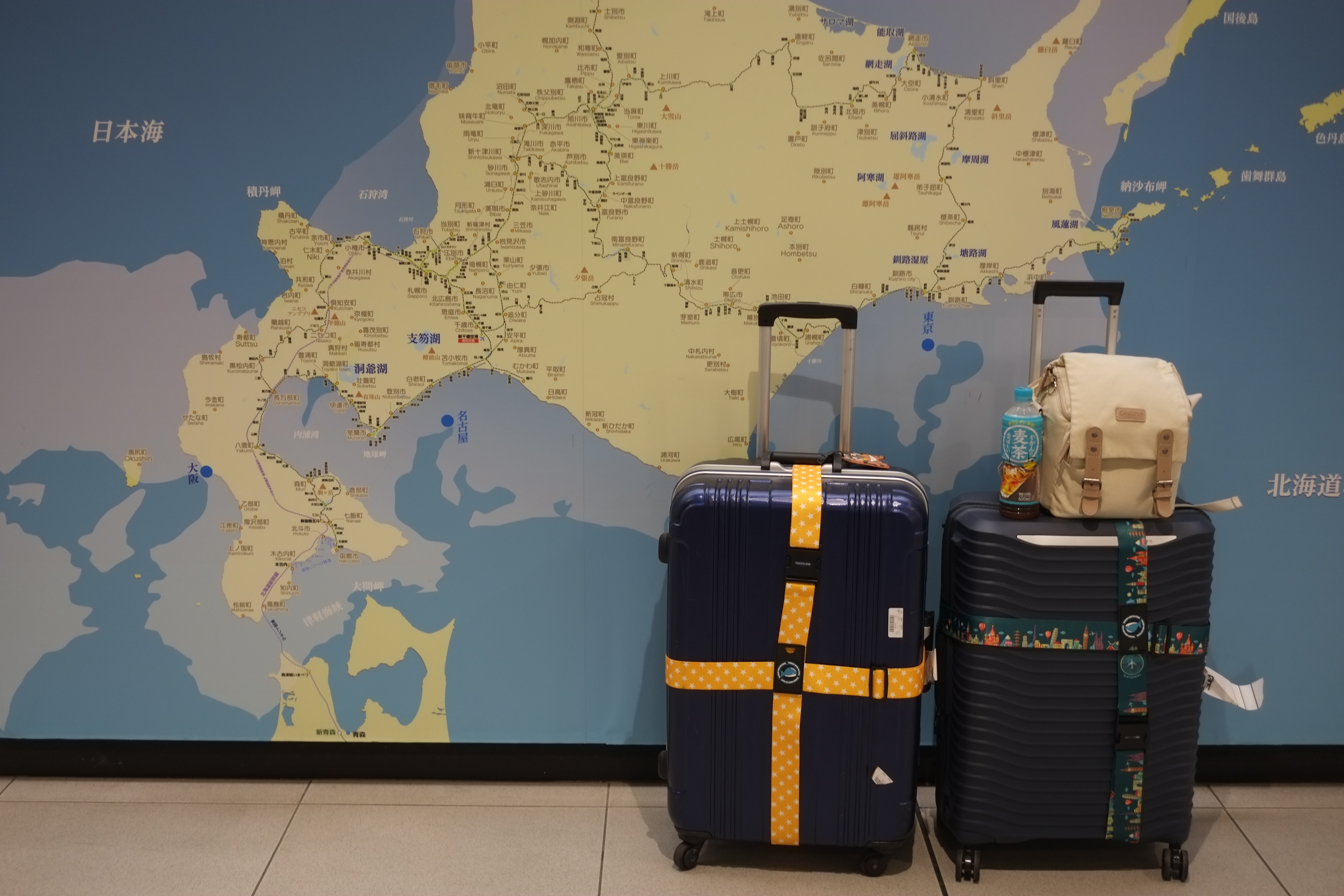
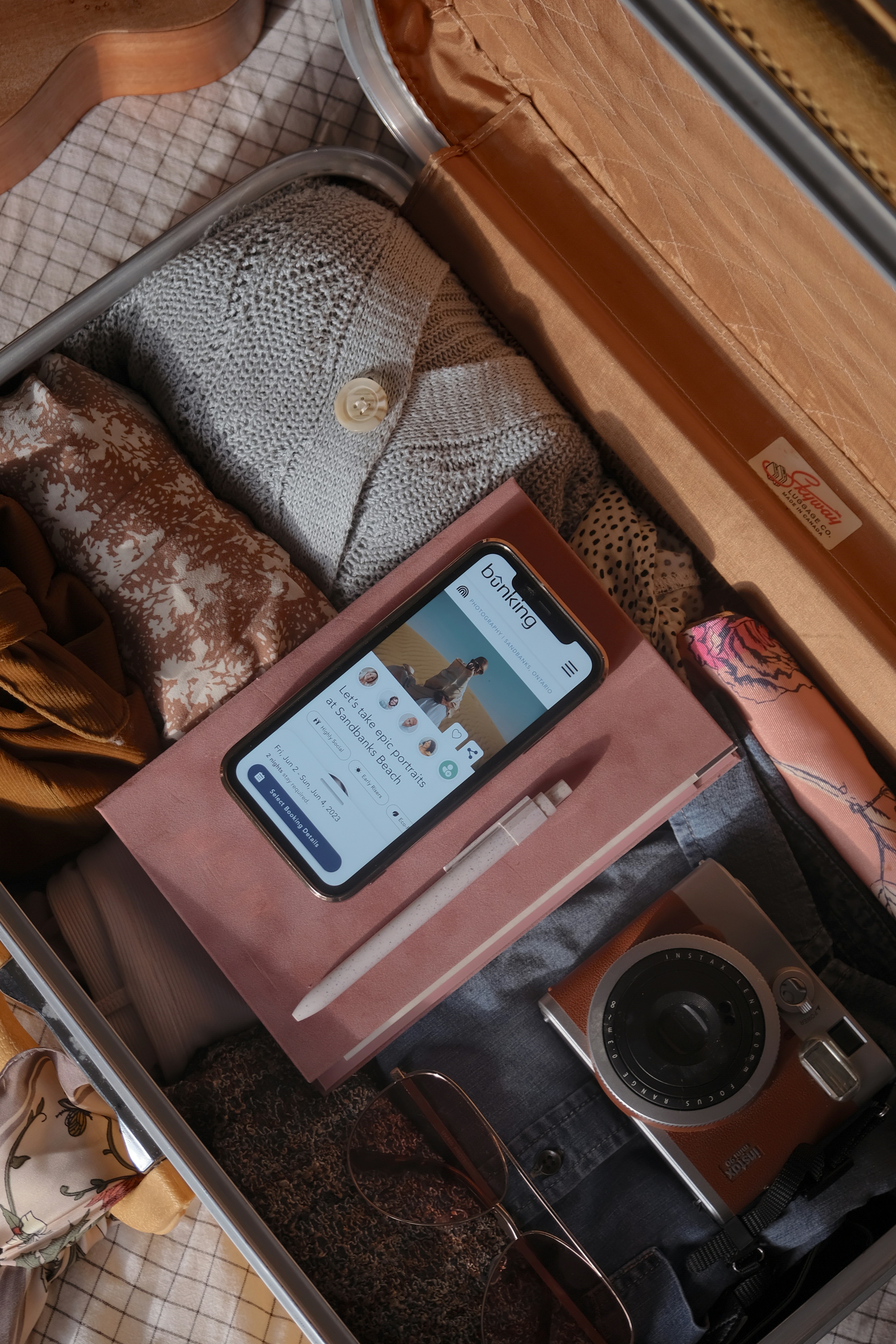
- Packing Cubes: These are game-changers. Use them to organize your clothing by type (e.g., all base layers in one cube, socks and underwear in another) or by activity.
- Rolling vs. Folding: Rolling your softer clothes (like t-shirts and thermals) saves space and reduces wrinkles, while folding works better for stiffer items like jeans and heavy sweaters.
- Compression Bags: For bulky items like fleece jackets or puffy vests, vacuum compression bags can squeeze out the excess air and save a tremendous amount of space in your suitcase.
What NOT to Pack
Save precious suitcase space by leaving these items at home:

- Heavy Winter Parkas: Unless you are traveling in the dead of winter, a massive, single-layer snow parka is too bulky and inflexible. Stick to the layering system instead.
- Excessive Formal Wear: Alaskan cruises are generally much more casual than Caribbean or European sailings. While there may be a "dressy" night, a simple nice blouse and slacks or a basic dress is usually plenty. Leave the tuxedo and ballgown behind.
- Prohibited Items: Cruise lines strictly prohibit items with heating elements or open flames, including candles, incense, coffee makers, and most irons (hair straighteners and curling irons are usually the exception, but always check your specific cruise line's policy).
Your Comprehensive Packing Checklist
Use this quick reference guide as you pack your bags:

Clothing & Footwear
- ☐ 2-3 sets of thermal base layers
- ☐ 2-3 fleece jackets or warm sweaters
- ☐ 1 waterproof/windproof outer jacket
- ☐ 3-4 pairs of comfortable pants/jeans
- ☐ 4-5 casual shirts (mix of long/short sleeve)
- ☐ 1-2 slightly dressier outfits for dinner
- ☐ 5-7 pairs of merino wool socks
- ☐ Waterproof hiking boots
- ☐ Comfortable walking shoes
- ☐ Casual slip-on shoes
Gear & Essentials
- ☐ Warm beanie and sun hat
- ☐ Water-resistant gloves
- ☐ Polarized sunglasses
- ☐ Binoculars
- ☐ Lightweight day pack
- ☐ High-SPF sunscreen & lip balm
- ☐ Seasickness remedies
- ☐ Prescription medications
- ☐ Portable power bank
- ☐ Camera, chargers, and extra memory
Final Tips Before You Sail
Before you zip up your suitcase, double-check the luggage size and weight limits for both your airline and your cruise line to avoid any surprise fees at the terminal.

Finally, take a deep breath and relax! If you forget a minor item like a pair of gloves, an extra fleece, or a tube of toothpaste, don't panic. The port towns in Alaska (like Juneau, Skagway, and Ketchikan) are well-equipped to handle tourists, and you'll easily be able to purchase replacements. The most important things to bring are your sense of adventure and your readiness to experience the awe-inspiring beauty of Alaska!
Explore More Essentials
Discover the rest of our carefully curated travel gear to make your next trip seamless.