
Do You Really Need Travel Insurance? A Practical Guide for Every Traveler
Navigate coverage options, compare top providers, and protect your trip without overpaying.
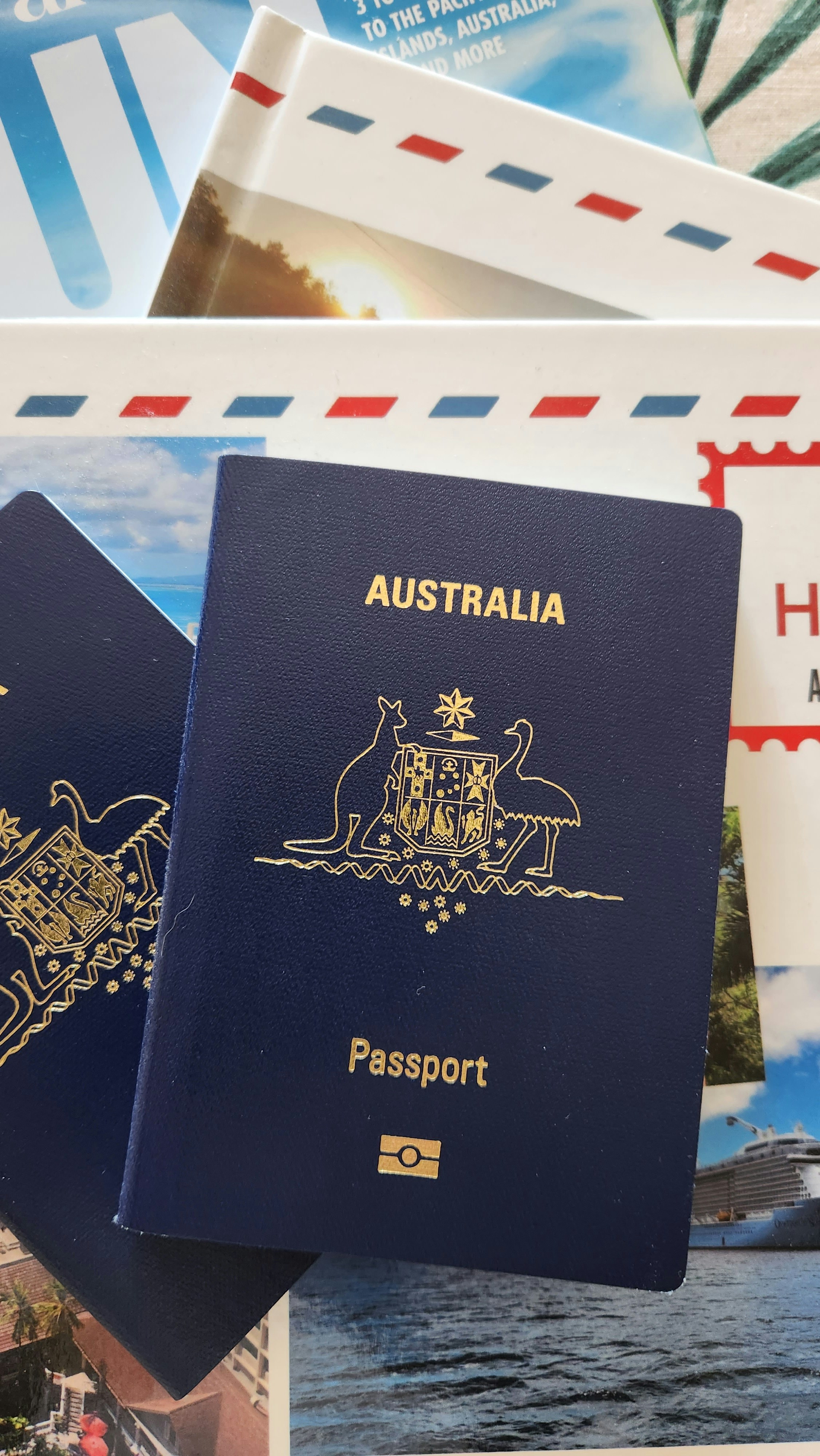
It's the question every traveler faces right before clicking "Confirm Booking": Should I add travel insurance? The checkbox sits there, often framed as an annoying upsell or an unnecessary expense. But when flights are cancelled, luggage disappears, or an unexpected medical emergency strikes abroad, that optional checkbox suddenly becomes the most important decision you made.
In a post-2020 world, travel is more unpredictable than ever. Between airline meltdowns, severe weather events, and shifting border policies, the peace of mind that comes from knowing you won't lose thousands of dollars is invaluable. But not all insurance is created equal. A digital nomad spending six months in Southeast Asia needs vastly different coverage than a family taking a one-week cruise to the Bahamas.
In this guide, we're cutting through the dense legal jargon of policy documents to bring you practical, actionable advice. We'll break down exactly what travel insurance covers, compare top-tier providers like World Nomads and SafetyWing, and help you figure out exactly which policy makes sense for your specific travel style.
What Does Travel Insurance Actually Cover?
Medical Emergencies & Evacuation
Your domestic health insurance often won't cover you internationally. If you break an ankle hiking in the Alps or contract a severe illness requiring hospitalization, international medical coverage handles the massive out-of-pocket costs. Medical evacuation coverage pays to transport you to an adequate hospital or fly you back home if necessary.
Best Provider: For robust medical coverage and emergency evacuation, World Nomads is consistently rated top-tier by frequent travelers.

Lost or Delayed Luggage
Arriving in Paris while your suitcase takes a detour to Tokyo is incredibly stressful. Baggage delay coverage reimburses you for essential items (toiletries, clothing) purchased while waiting. If your bags are permanently lost or stolen, baggage loss coverage compensates you for your belongings.
Best Provider: Travelex offers excellent, prompt reimbursement plans for lost or delayed baggage.
Trip Cancellation & Delays
If a sudden illness, a severe storm, or a family emergency forces you to cancel your trip, trip cancellation coverage reimburses your non-refundable expenses (flights, hotels, tours). Trip delay coverage kicks in when severe weather grounds your flight, paying for unexpected hotel nights and meals.
Best Option: To easily compare cancellation policies across multiple carriers, use a marketplace like Travelinsurance.com.

Types of Travel Insurance Policies
How Much Should It Cost?
As a general rule of thumb, a comprehensive travel insurance policy should cost between 4% and 10% of your total non-refundable trip cost.
Factors Impacting Cost:
- Age of travelers: Rates increase significantly for travelers over 65.
- Trip cost: Higher non-refundable costs mean higher premiums.
- Destination: Remote areas with high medical evacuation costs (like Antarctica or deep safaris) increase rates.
- Coverage limits: Opting for $500,000 in medical evacuation versus $100,000 will raise the price.
Which Policy Matches Your Travel Style?

Families & Group Travelers
When traveling with kids, the likelihood of a sudden illness forcing a trip cancellation skyrockets. Families need robust comprehensive coverage that covers everyone under one policy, with high trip cancellation limits and generous medical coverage for pediatric emergencies.
Top Recommendation: Travelex (Many plans cover children under 17 for free when traveling with a covered adult).

Digital Nomads & Long-Term Travelers
If you have no return ticket, most traditional insurance won't cover you. Nomads need ongoing medical coverage that acts like a subscription, allowing them to start and stop coverage while already abroad.
Top Recommendation: SafetyWing's Nomad Insurance. It works like a monthly subscription and you can purchase it even after your journey has started.

Adventure & Action Sports
Scuba diving, trekking at high altitudes, and snowboarding are routinely excluded from standard policies. If your trip involves adrenaline, you need a policy specifically tailored to high-risk activities with massive evacuation coverage.
Top Recommendation: World Nomads. They cover over 200 adventure activities and are built specifically by and for adventurous backpackers.

Solo & Budget Travelers
Solo budget travelers often have low non-refundable costs (staying in hostels, taking cheap flights), meaning trip cancellation isn't a priority. The main goal is avoiding catastrophic medical debt if hospitalized alone in a foreign country.
Top Recommendation: Compare lightweight medical-only policies via Travelinsurance.com or use SafetyWing for basic, affordable health coverage.
Provider Comparison at a Glance
| Provider | Best For | Key Advantage | Get a Quote |
|---|---|---|---|
| World Nomads | Adventure travelers, Backpackers | Covers 200+ adventure sports, buy while abroad | Quote |
| SafetyWing | Digital Nomads, Long-term | Subscription model, highly affordable medical | Quote |
| Travelex | Families, Domestic trips | Kids under 17 often covered free, primary medical | Quote |
| Travelinsurance.com | Comparison Shoppers | Compare multiple carriers (AIG, Allianz) instantly | Compare |
Frequently Asked Questions
Equip Yourself for the Journey
Insurance protects your investment, but the right preparation protects your sanity. Explore our other guides to ensure a seamless trip.
Protect Your Peace of Mind
Travel insurance isn't about expecting the worst; it's about guaranteeing that if the unpredictable happens, you won't be financially ruined. Take 5 minutes today to compare rates on Travelinsurance.com or grab a quick quote from World Nomads. It's the most practical investment you can make for your next adventure.